October 2025
In the heart of China’s Jiangsu Province, in the innovative Wuzhong District (吴中区) of Suzhou, the future of home care is already taking shape. The 吴中数字民政 (Wu Zhong Digital Civil Affairs) platform is far more than an administrative tool: it is a complete digital ecosystem that has transformed the way thousands of residents receive care.
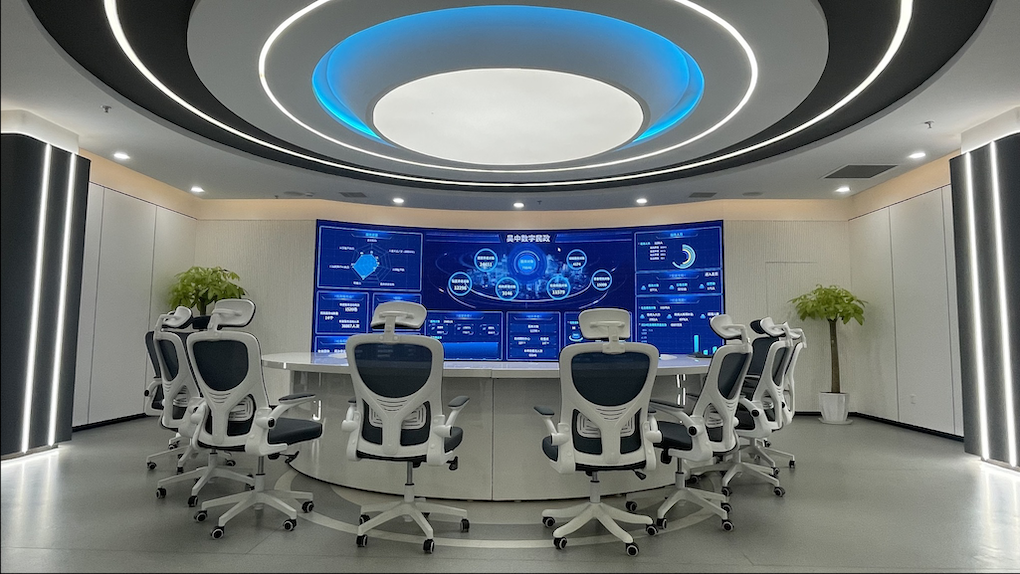
On a typical day, a single dashboard displays 51 clients, numbered from 12345 to 12395. What stands out immediately is that 49 of these clients are supported by the same care worker, identified as ID 3185. This snapshot reveals only a fraction of a highly sophisticated system that integrates multiple aspects of daily life, wellbeing, and care.
The Wu Zhong platform functions as a digital twin of the physical care structure. Behind each client number lies a detailed personal care file that not only contains basic information but also a comprehensive medical and social profile. Chronic conditions, allergies, medication sensitivities, and up-to-date diagnoses are digitally recorded. In addition, each file includes a thorough care needs assessment, detailing the exact type and level of support required — from light household assistance to full personal care and nursing.
Based on this information, an individual care plan is created, outlining weekly or monthly schedules of specific tasks such as administering medication at 8:00 a.m., wound care, assistance with shopping, or physiotherapy exercises.
Care delivery takes place in real time. Care workers use a mobile application as their digital workstation. Upon arriving at a client’s home, they check in on their smartphone and check out when leaving, allowing the system to automatically record the duration of each visit. Tasks listed in the care plan are ticked off digitally once completed, and observations or remarks are entered directly into the system. Paper-based reports are thus replaced by up-to-date, shared information that ensures continuity of care.
For clients with higher medical needs, the platform doubles as a medical dashboard. Vital parameters such as blood pressure, blood sugar, temperature, and weight can be entered and visualised. When values fall outside predefined norms, the system automatically sends an alert to a coordinator or family member. Medication management is fully integrated too: the system tracks which medicines should be taken when and records any missed or incorrect doses.
On the organisational side, the platform provides transparency and coordination. Team leaders and supervisors can see, at a glance, how clients and care workers are distributed, whether workloads are balanced, and whether all scheduled visits have taken place. The system even helps optimise routes, ensuring that time is used as efficiently as possible.
For the municipality of Suzhou, the platform has become an indispensable tool for quality assurance, policy-making, and financial accountability. It automatically calculates indicators such as punctuality, duration of care, and client satisfaction. Anonymous trend analyses reveal where demand for care is growing and how the overall health of the elderly population is evolving. The system also links care hours to budgets, making the cost-effectiveness of home care fully transparent.
What may appear at first glance as a screen full of numbers actually represents a fundamental shift in how care is organised and delivered. Wu Zhong Digital Civil Affairs makes care more human, not less. It enables care workers to know exactly what is needed, helps coordinators ensure continuity, and allows the municipality to support its most vulnerable residents in living dignified, independent lives at home.